
Sowing the
beads of life
CEE researchers are adapting hydrogels to grow food, treat wastewater, improve human health and produce sustainable fuels.
Explore the research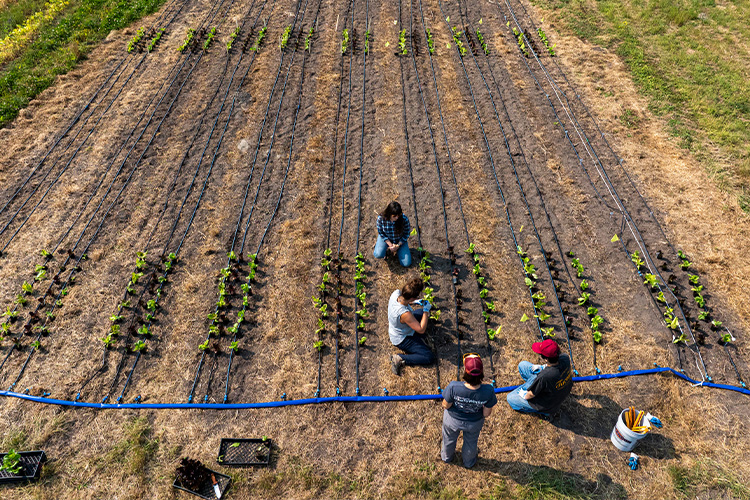






Why CEE?
Civil and environmental engineers design, build and maintain the systems communities rely on — safe roads and bridges, clean drinking water, effective stormwater and wastewater treatment, and the structures and networks that keep people and goods moving. They also protect public health and the environment by reducing pollution, managing water resources and improving the resilience of infrastructure.
Civil and Environmental Engineering at UWWelcome back, Huskies!
Whether you’re new to the UW or a returning Husky, celebrate the start of a new school year filled with exciting possibilities.
View events

News
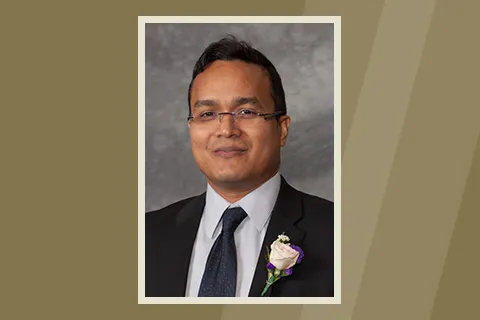
Faisal Hossain receives AGU Ambassador Award
The CEE professor turns satellite data into tools that help agencies manage water around the world.

Abdolmajid Erfani joins CEE faculty
The assistant professor applies AI to construction and transportation planning and will launch a new course on AI for civil engineers this spring.
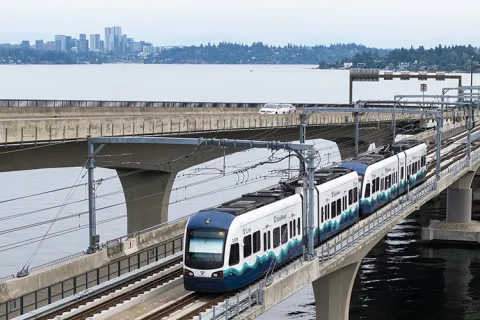
The engineering behind floating light rail
CEE's Travis Thonstad is featured in a Seattle Times deep dive on the world's first light rail on a floating bridge.
Events
-
Sep 29, 2026 @ 11:00 am
AUT26 Week 1 - CEE Ugrad Drop-In Advising
-
Sep 29, 2026 @ 3:00 pm
AUT26 Week 1 - CEE Ugrad Drop-In Advising
-
Sep 30, 2026 @ 12:00 am
Instruction Begins - Autumn 2026
-
Sep 30, 2026 @ 11:00 am
AUT26 Week 1 - CEE Ugrad Drop-In Advising
Student experience
Capstone showcase makes its debut
Students presented capstone and research projects, and three teams won awards, at the department's first showcase.
See projects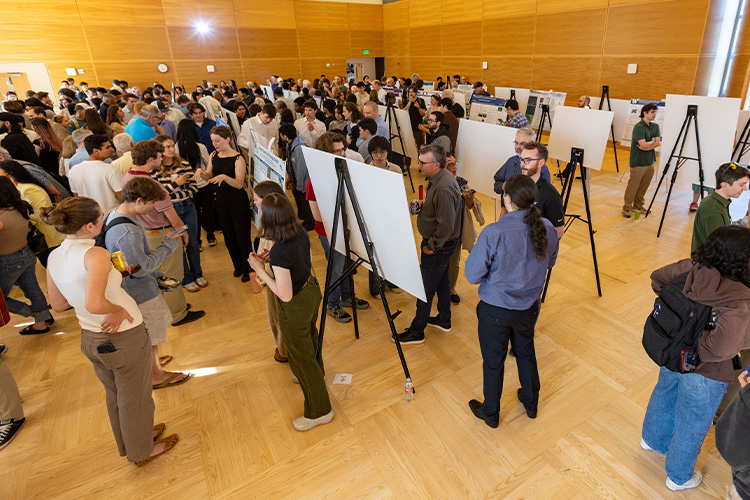
Grand Challenges: Creating a resilient and sustainable world
Civil and environmental engineers build the world, which puts them in a position to change it. Our Grand Challenges name the societal needs our students and faculty are taking on together through research and coursework.
How we're making a differenceBig data, adaptive design, and other emergent concepts, theories, and technologies that mitigate climate impacts, help communities adapt more quickly, and promote social and environmental justice for future generations.
Remote sensing, machine learning, artificial intelligence, and other tools that build community resilience in the wake of increasing natural disasters.
A diverse, well-trained, collaborative workforce that reverses existing societal and environmental inequities and creates a more inclusive world through integrated design and engineering.
Advanced construction techniques, new materials, and transformative mobility technologies that create smart structures and operational strategies that withstand natural disasters and climatic events, from coastal to inland, rural to urban.

Subscribe to The Bridge newsletter
The Bridge is the UW Department of Civil and Environmental Engineering’s alumni newsletter. Published twice a year, it features stories about students, faculty, research, alumni and more.