
June 2, 2026
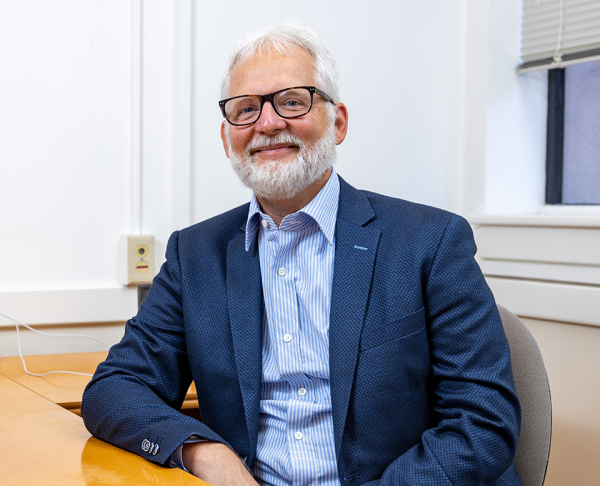
Bart Nijssen, Chair & Professor
Welcome to the spring 2026 edition of The Bridge. Each issue gives me an opportunity to reflect on the full picture of what our department does. This spring, that picture stretches from Lake Washington to Earth’s orbit.
In late March, Sound Transit’s 2 Line began carrying passengers across the I-90 Homer Hadley floating bridge on Lake Washington, the world’s first light rail crossing on a floating structure. CEE faculty helped make this a reality — Professor John Stanton led years of testing on the rail adhesive and track transition systems now installed on the bridge, and Assistant Professor Travis Thonstad and Professor Michael Motley are leading the development of a digital twin that monitors the structure in real time.
This issue also highlights Associate Professor David Shean’s role as a co-investigator on NASA’s EDGE satellite mission, research from Professor Mari Winkler’s lab applying hydrogel technology to chronic kidney disease and Professor Joe Wartman’s building-level model of landslide risk across Seattle. We also remember former professor and chair Neil Hawkins, who shaped the department and the field of structural engineering over a distinguished career.
Our students continue to make CEE proud. This spring, UW’s ASCE chapter hosted the Pacific Northwest Concrete Canoe regional competition, and our Timber Strong and Steel Bridge teams competed in their own regional competitions. You’ll find their stories in this issue alongside a profile of CEE alumnus and Olympic curler Luc Violette.
Projects like the 2 Line reflect what we hear from industry partners across the state: the demand for civil and environmental engineers is strong. The department is responding. Undergraduate enrollment is up, we held our inaugural Capstone and Research Showcase, welcomed students back to Engineering Discovery Days and reestablished our External Advisory Board to strengthen ties with our professional community.
Thank you for being part of what makes CEE work. The range of stories in this issue reflects the breadth of this community, and I hope you enjoy reading them.
Bart Nijssen
Chair & Professor